Since the early 1980’s gas was seen as the hero, for heating, cooking and hot water in the Canberra and surrounding region.
As gas replaced oil heaters, which were famously filled, by non-other than 'Midnight Oil's' frontman, Peter Garrett, during his time at ANU filling the oil tanks on cold Canberra winter nights, gas also replaced expensive electric heating and other appliance and was touted as the environmentally friendlier option, Canberran’s have realised the benefits of gas for decades, and continue to with advancements, such as continuous instant flow hot water heaters, more energy efficient advancements of hot water storage heaters, and ducted units to name a few.
Fast forward to 2023, the ACT Government announced that most new gas connections will be stopped in Canberra, as part of its plan to out fossil fuel use by 2045. As Queanbeyan, Bungendore and the Palerang regions, are located just over the border in NSW, at this stage they are excluded from the change, and continue to connect to gas, as they have over the past 40 years. Due to sharing of the same infrastructure between ACT and our close neighbours just over the border, it is obvious there will be serious flow on effects (excuse the pun), for those remaining on gas, including price increases. And in turn, consumers just over the border need to be thinking about how the new future may look when making decisions around gas or electrical appliance when building, renovating or upgrading. It needs to be noted, that noted that gas still has a major part to play in the transition to more renewable energies, due to its heating and on demand capabilities. This is why gas is seen as a sensible choice, to be used for backing up the electricity grid, until it becomes more stable, and will most likely still be used in heavy industry, as well as for the production of products such as glass and bricks.
With the change now in effect, of no new connections to residential homes, with the exception of some potential limited exemptions in the commercial space, on a case-by-case basis, the new legislation means that all new buildings, and extensive changes to existing buildings must be designed with all electric appliances., with any existing gas connections to be abolished, And for any new businesses reliant on gas, they need to demonstrate to the ACT Government that they have tried to find a premises that already has a connection, or where a connection are not restricted, before being provided an exemption for connection.
All homes and businesses with existing gas meters, are able to continue using their connections, as well as upgrade and add new additions, however within the limitations of their current gas meter, i.e. the gas meter cannot be upgraded. Further, in 2024, the ACT Government said they were looking at plans to stop new gas appliances being sold and installed into existing premises with gas already connected. There is currently no timeline when this will occur.
To understand how the changes in legislation in the ACT and its neighbouring surround works, the below outlines in more detail where things are at and what to be aware of, noting that if your home or business is in Queanbeyan, Bungendore, or the Palerang region, things aren’t quite different.
Shared gas network, split rules. Evoenergy owns and operates the gas distribution network across both the ACT and the Queanbeyan-Palerang region. But while the network is shared, policy ambitions differ. The ACT Government has legislated commitments (like phasing out certain gas uses, banning new connections in residential zones) and clear targets for net zero emissions by 2045.
NSW (Queanbeyan area) is on a different timeline. Some NSW councils or regional authorities have discussed motions to phase out gas or regulate it more tightly, but many have not committed, or do so more slowly. For example, a proposal in Queanbeyan-Palerang Council to ban gas in new residential developments or robustly push electrification has failed to win support to date.
Implications of the split timeline:
New connections & developments may have different rules depending on whether you’re technically in ACT jurisdiction or NSW. If you build in Queanbeyan-Palerang but connect to the shared network, you might face NSW's less strict rules now, however this could change.
Regulatory risk: Homes built with gas under NSW rules may find higher costs or stricter regulation later as NSW may follow the ACT or adopt stricter policy.
Resale or renovation uncertainty: Buyers may prefer homes with electric appliances or with future-proof design, and gas-reliant homes could face reduced appeal or added costs.
Infrastructure and pricing: The shared network has to plan for decreasing demand (in ACT especially), which can raise costs for all users (including for its neighbours in NSW) due to how the gas network is configured and regulated. The decline in demand means fixed costs spread over fewer customers. Studies like Gas demand forecast – ACT and Queanbeyan 2026-2045 explore how this will look.
Happy Gas Inspection
It is still important to keep your gas appliances happy, through regular maintenance and checks, to prevent the following:
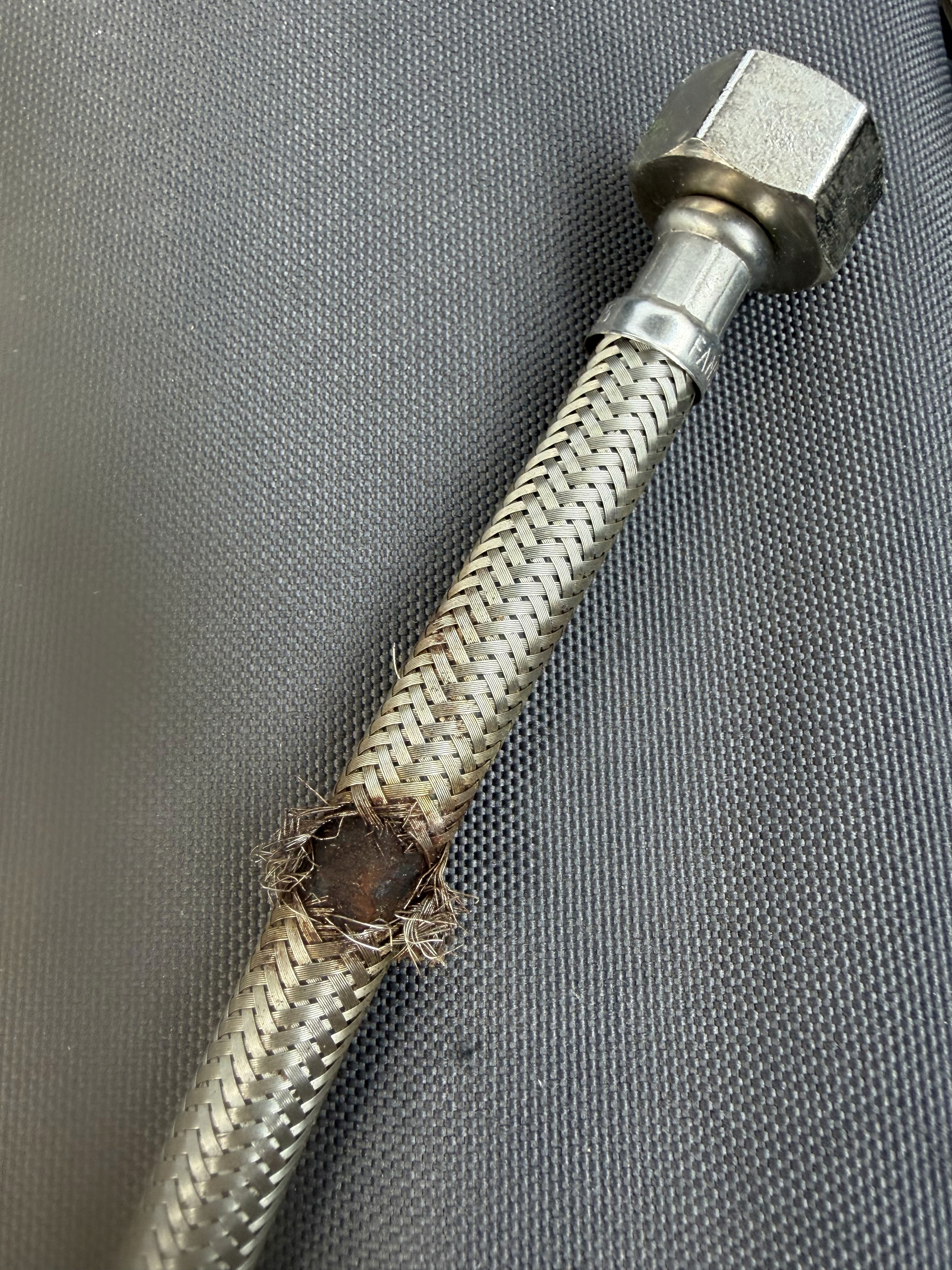
Gas leaks from degraded seals, flexible connectors, or poorly fitted joints.
Carbon monoxide build-up if combustion is incomplete or ventilation blocked.
Risk of fire or explosion from damaged gas lines or faulty regulators/appliances.
Reduced performance, higher bills, more emissions.
Industries that Can’t Easily Ditch Gas
Not every gas use is easily replaced. Some sectors rely on qualities gas provides such as heat intensity, reliability, cost at scale. Here are some:
Heavy industries: Steel, glass, concrete manufacture, where high temperature processes that are difficult to electrify. The Future Gas Strategy shows that high-heat industrial processes will remain dependent on gas (or alternative gases like hydrogen or synthetic gas) much longer. (1)
Commercial kitchens & hospitality: Gas cooktops, ovens, and fryers are traditionally preferred for their control, quick response, and flavour qualities. Some chefs argue electric or induction can replicate it, but gas is still deeply entrenched.
Large scale heating systems: Think ducted gas heating for large or older buildings in cold climates. Gas heating produces high heat output quickly. Some large properties or heritage buildings may find electric or reverse-cycle alternatives more complex or costly to retrofit.
Process heating in other sectors: Manufacturing, certain agricultural processes, laboratories, where gas provides stable flame or heat source.
The Pros & Cons: Staying with Gas vs Moving On
Option | Pros | Cons |
Staying with gas (for now) | -Strong heating performance; quick to heat up. -Some appliances (gas cooking, big ovens, etc.) prefer gas for heat control. -Existing infrastructure in many homes reduces upfront change cost. -In shared gas network areas, you might still have relatively stable supply/pricing. | -Increasing regulatory pressure (especially in ACT) and likely rising costs as demand drops. -Safety and health risks if appliances aren’t well maintained. -Environmental impact and emissions. -Future restrictions on upgrades or replacements; reduced appliance options over time. -Potentially higher costs and difficulty in resale if gas becomes viewed as ‘old tech.’ |
Transitioning/moving away from gas | -Cleaner emissions; aligns with climate goals. - Safer for homes (less risk of leaks, CO) if you go all-electric. -Growing availability and performance of electric alternatives (heat pumps, induction cooking, etc.). | -Upfront cost and disruption (especially if rewiring, replacing appliances, adjusting heating design). |
What it Means for You: Making a Smart Decision
If you’re a homeowner or business in Canberra/Queanbeyan/Surrounds:
Audit your current appliances — age, condition, maintenance history. Old gas heaters, cooktops, water heaters might be due for an upgrade anyway.
Check what jurisdiction you’re under — ACT vs NSW may affect incentives, regulatory changes, timelines. Knowing this helps you plan ahead.
Plan long-term for all things electric — even if you don’t switch everything now, design your renovations, appliance purchases, and home wiring with the future in mind.
Stay on top of maintenance — engage Happy Plumbing for gas inspections and preventative maintenance to keep your appliances safe and in optimal condition.
Final Word
At Happy Plumbing, we believe in helping you make informed choices, keeping you safe and helping you plan for the future, to ensure you stay warm, feed and showered.