Yeah, rats alright!
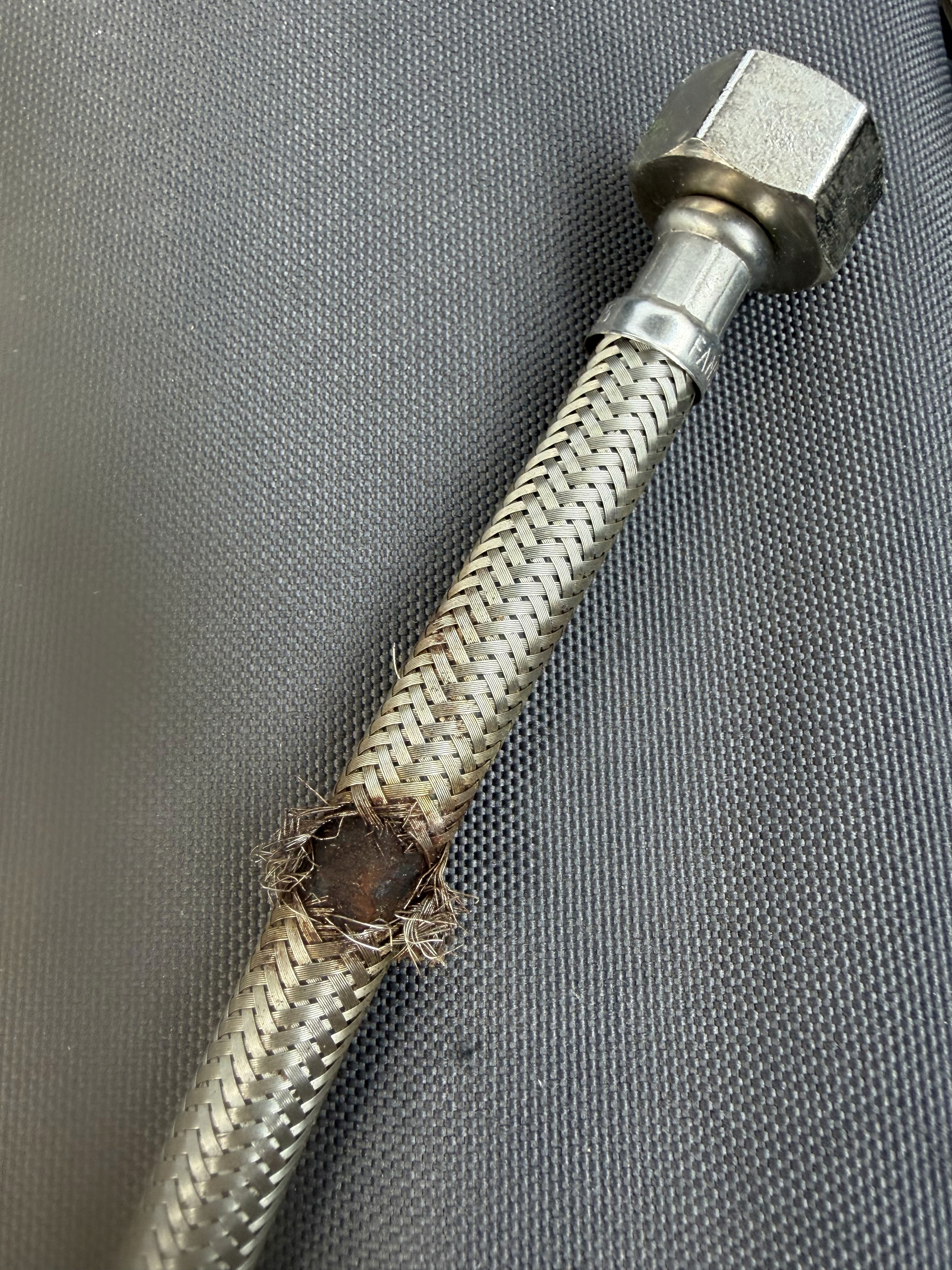
Those uninvited guests can do serious damage, especially to your plumbing, and we’ve seen the destruction these little gritter can cause. On one occasion, we had a person call us at 7pm on a Saturday night after water started pouring through a light fitting in the kitchen area from the sub floor roof. After inspection we found a rat had eaten through the plastic water pipe. After fixing the issue then and there, we were then called back the following day, after another leak into the downstairs toilet, same problem, rats! Again, fixed the issue, to then be called back once more when they’d eaten through the pipe above the living room. It then became a case of evicting the rats and future proofing the pipework in the roof involving having to cut lots of holes in the roof, replace all the plastic pipework with copper, put sleeves over plastic tails where copper couldn’t be installed…a whole lot of work and headaches.
Why Rats and Pipes Don’t Mix
Rats have teeth that never stop growing. To keep them in check, they gnaw on hard materials, and plastic or PVC pipes are fair game. (1)
Over time, that nibbling can lead to micro leaks, slow drips, or full-on bursts. (2)
In worst cases, a rat can chew through a water or sewer pipe, letting raw sewerage or uncontrolled water flooding into walls, floors, or slabs. (3)
These leaks can bring mould, structural damage, ruined finishes, and can potentially become a health hazard. (4)
The Real Cost — In Dollars & Disbelief
We don’t have a perfect stat for exactly how many insurance claims are filed in Australia just for rats chewing pipes. But here is what some of some of the insurance companies have told us at rats…
Home & contents insurance typically excludes damage by rodents, pests, vermin as it’s considered preventable. (5)
Insurers may cover water damage or fire that results from a burst pipe, even if they won’t cover the chew-through itself. (6)
In the car world (yes, jump over for a second), rats cause about 200 insurance claims per year in Australia by chewing wires, parts, etc. (7)
Some plumbing firms report local “rats eating pipes” jobs costing $20,000+ (when combined with wall/ceiling damage). (8)
So, the takeaway? Even without perfect numbers, the financial risk is real, and often not covered by your insurance. Prevention is your power move.
Health Hazards (Yes, It Gets Worse)
Rats are not just pipe-munchers. They can bring with them some nasties:
Disease & contamination: Salmonella, leptospirosis, hantavirus, to name a few via droppings, urine and contact with pipes. (9)
Poor indoor environment: mould from leaks, damp walls, foul odours.
Electrical & fire risk: rats also chew wiring and conduits, potential ignition sources. (10)
Happy Hints: Prevention is better than cure. Below are some preventative measures you can make to keep rats away:
Seal all entry points
Rats can squeeze through tiny gaps. Check around pipes, vents, roof lines, walls. Use steel wool, mesh, silicone and barriers to keep rodents out of your home or premises.Use rat-proof plumbing parts
Rat Gates, otherwise known as plumbing terms as one-way valves / backflow prevention are a smart addition for drains and water systems. (11)
Pipe sleeves or protective metal sheathing in exposed or vulnerable sections.
Maintain your property
Trim overhanging branches and shrubs near walls.
Keep the yard clean: no piles of wood, clutter, rubbish left for long periods of time.
Don’t leave water sources (leaky taps, pet bowls) unattended for long.
Store food and compost properly.
Pest control routines
Have a licensed pest controller inspect annually (or more often in high-risk zones).
Use traps or baits (safely).
Monitor for signs of droppings, scratch marks, noises and strange smells.
Regular plumbing checks
A yearly inspection by Happy Plumbing with camera of your drainpipes and a visual inspection of accessible water pipes can pick up early wear or chew damage. Visual inspections where possible too of your water system can help to identify early warning signs too.
Innovations & Smart Tools
CCTV pipe cameras — spot tooth marks, nests, damage before full leaks occur.
One-way valves / rat-proof traps built into drainage systems (so water flows out, rats can’t go in). Also, backflow devices installed on your water can go a long way to containing the spread of disease.
Rodent-resistant pipe materials — in key vulnerable zones, metal or reinforced sleeves are recommend, instead of plastic pipes.
Smart sensors / flow monitors — detect micro-leaks or pressure drops quickly through the installation of a smart device, which can be programmed to trigger an alarm.
What to Do If You Suspect Rodent Damage
Don’t wait. Early intervention is crucial.
Call Happy Plumbing today to inspect.
Simultaneously engage a pest professional to remove the culprits and prevent future tenants from wanting to move in.
Document everything (photos, videos), for your own clarity (and in case insurance gets involved).
After repair, upgrade vulnerable pipe segments and install preventative measure as necessary.
Final Word
Rats chewing through your drains and water pipes might sound absurd, but it happens. And the costs (financial and health) are real.
If you’ve heard scratching in the night, seen weird damp patches, or just want your plumbing rat-proofed for good, call Happy Plumbing today.